SCRAP: How we do it
SCRAP@Baylor is co-creating a living network of urban composting stations, community gardens, nutrition sites, and educational events that regenerate the land and reconnect people through research, teaching, service and collaborations.
Download the SCRAP Impact Report 2022-25 here
Programs
Baylor Community Gardens
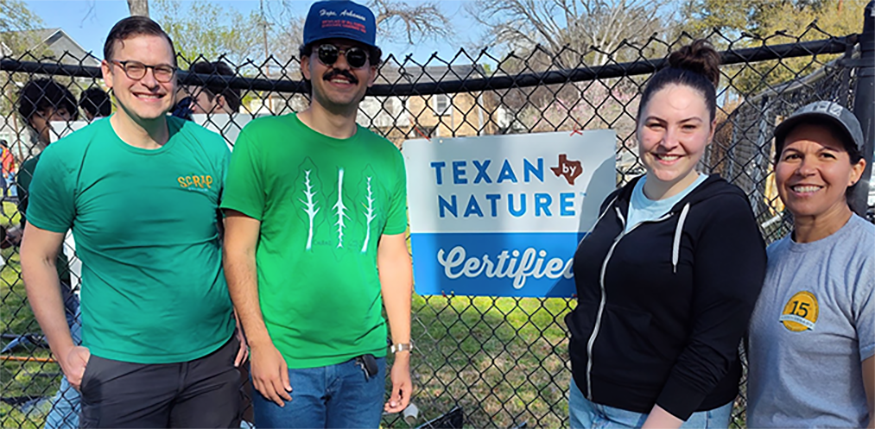
Campus community gardens support hands-on opportunities for members of Baylor and the community to explore agriculture that works with nature, environmental care, and intergenerational learning. Gardens are currently established a few blocks from central campus at the corner of Ninth Street and James Avenue and in the courtyard of Teal Residential College. These vibrant spaces grow healthy food, community, and natural habitats; support student learning and research across disciplines; and host cultural, artistic, and educational events that promote flourishing with each other and creation.
Growing Leaders and Learners Project
Established in 2019, this initiative, co-led by Baylor social work, engineering, and education faculty, is a mentoring and education model that connects K-12 teachers and youth with faculty and college students through gardening, composting, storytelling, health education, micro-enterprise, and civic engagement. SCRAP@BAYLOR serves as a living classroom for this work. This includes an annual Institute for teachers.
Environmental Humanities Minor
📚 Explore the EH Minor program
Launched in 2023, the Environmental Humanities Minor equips undergraduates to examine the cultural and social roots of environmental healing and harm while involving them in co-creating just, thriving futures through community-engaged learning. Students and faculty contribute to SCRAP through classes, projects, and service in ways that bridge storytelling, the sciences, arts, ethics, religion, and pursuit of the common good beyond the classroom.
Community Change Teaching Fellows
💡 Learn about the fellows program
Building on prior summer faculty seminars led by Environmental Humanities, this program has been in development since 2025. It aims to support faculty in creating learning opportunities that join students and community partners, particularly through the SCRAP Collective, in addressing real-world challenges for local human and environmental flourishing. Projects advance or raise awareness about equitable access to healthy environments, environmental restoration and resilience, food security and sustainable agriculture, and related neighborhood organizing and public education.
Outcomes
Baylor Community Gardens Program Outcomes (August 2023 through June 2025):
- Produce Harvested: 844 lbs. of over 30 culturally and seasonally relevant varieties of fruits and vegetables
- Waste Diverted from Landfill: 8,891 lbs.
- Compost Created: 5,000 lbs.
- Nearly 4,000 faculty, staff, students, and community members participating (2,609 at events, workshops, and tours; 1,145 recorded volunteer hours)
- 17 reoccurring student groups volunteering
- In 2024-2025: 14 classes holding workshops and tours across disciplines; 13 class projects and directed student projects; 14 community workshops, educational tours, and cultural and educational events
- Certified as conservation site by Texan By Nature and as a Monarch Waystation by Monarch Watch
SCRAP@Baylor Partners
Academy of Teaching and Learning
Baylor’s Collaborative on Hunger and Poverty
Institute for Faith and Learning
Theology, Ecology & Food Justice Program
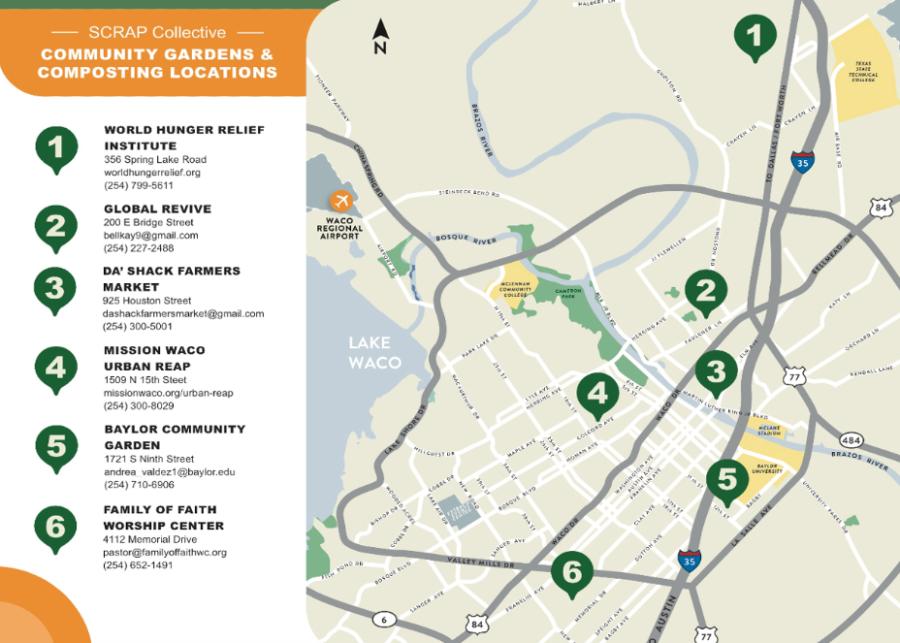
S.C.R.A.P. COLLECTIVE: A City–Community–Campus Partnership
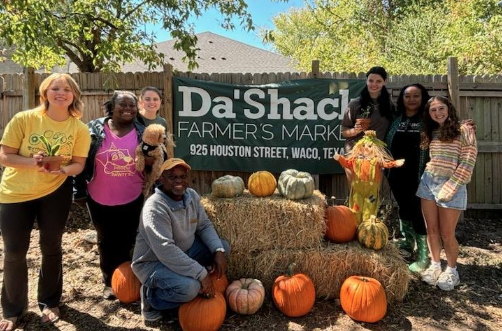
THE S.C.R.A.P. COLLECTIVE is rooted in a model of shared resources and power, where the university, the community, and the city co-lead and co-learn together. Our network thrives through the following:
- campus-based leadership, educational programs, and student involvement,
- community partnerships with residents, congregations, and grassroots organizations, and
- city engagement via the Office of Sustainability and Waco’s food systems network
Collective Partners
City of Waco Office of Sustainability and Resiliency
Da’Shack Farmers Market, Health and Wellness, Inc.
Family of Faith Worship Center
Texas A&M AgriLife Extension Service
WACO ISD schools, congregations, businesses, and social service agencies are also connected to this work.
Together, these partners are making a significant impact, positioning Waco as a model for how higher education, local government, and communities can collaborate to create effective solutions to address food insecurity, food waste, and environmental challenges.
Map to Collective Partners