

Definitions and Approaches

Exploring Community: Reflect, Respect, Assess
Core Questions
- Who is present (and/or missing) in our community?
- What do community members and voices on the margins (both historical and contemporary) tell us about what it is like to be in their shoes?
- How can we design our spaces and practices to be accessible, functional, and beautiful for everyone?
Related Core Values and Competencies
- Importance of Human Relationships, Competence, Integrity & CSWE Competency 3
Related Cross-Cultural Virtues
- Wisdom, Humanity, Temperance
Exploring Action: Prevent, Respond, Create
Core Questions
- How do we practice presence, self-awareness, and authentic self care?
- How do we demonstrate solidarity with our neighbors, particularly those who (in the words of the social work code of ethics) are most vulnerable or oppressed?
- How should we advocate interpersonally, institutionally, and structurally in accordance with professional social work values?
Related Core Values and Competencies
Service, Social Justice, Dignity/Worth of the Person & CSWE Competency 2
Related Cross-Cultural Virtues
Justice, Courage, Transcendence
Defining our approaches...
 |  |  |  |
Intersectional: We are committed to diversity, equity, and inclusion for all identities and work to resist singular or trendy approaches that favor one group/identity over others.
Embedded: We are committed to the complex work of creating policies and processes that promote diversity, equity, and inclusion.
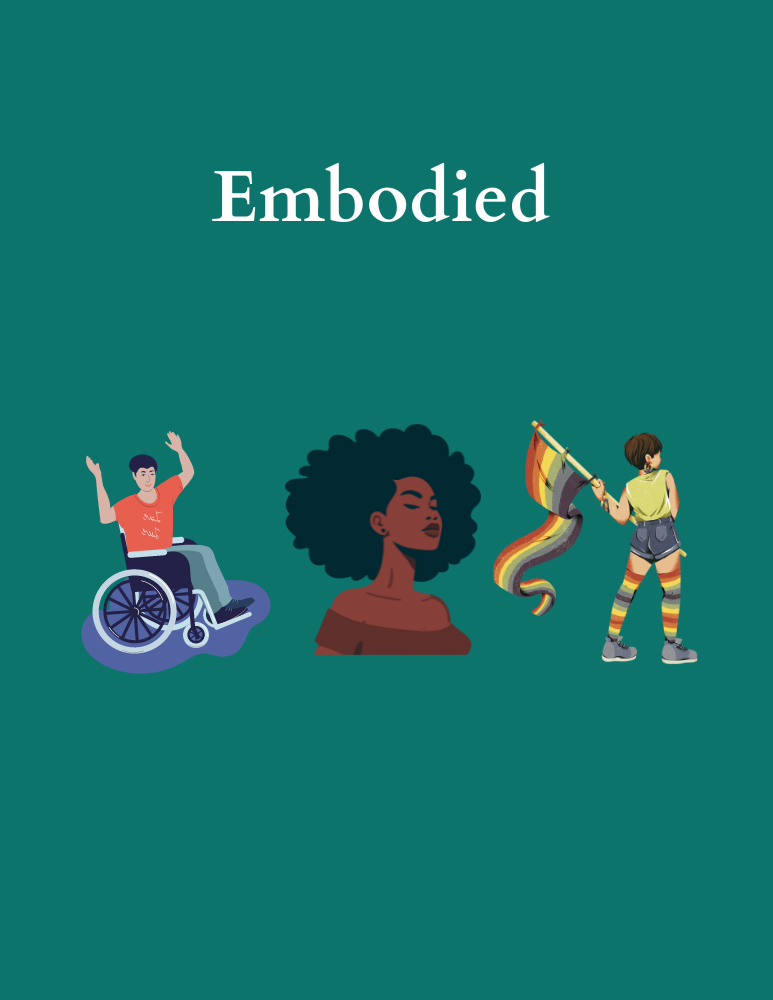
Embodied: We are committed to work that takes place not only structurally but also within human bodies. This means that individual, interior exploration and change is a necessity for DEI work. Because human bodies are limited, this approach also means refusing to objectify humans with too much, inappropriate, or unjust work even if the purported aim of that work is justice.
Expansive: We commit to open-minded, both/and (non-binary, non-dual, diunital) approaches, and reject supremacy culture’s insistence on “one right way”.
*The NASW Code of Ethics specifies the following identity categories that might be subject to marginalization: race, ethnicity, national origin, color, sex, sexual orientation, gender identity or expression, age, marital status, political belief, religion, immigration status, or mental or physical ability.